April Goodin is executive vice president and CEO of Big I Minnesota, a Minnetonka-based nonprofit trade association for independent insurance agents throughout Minnesota. This article was published in the Duluth News Tribune on August 2, 2026.
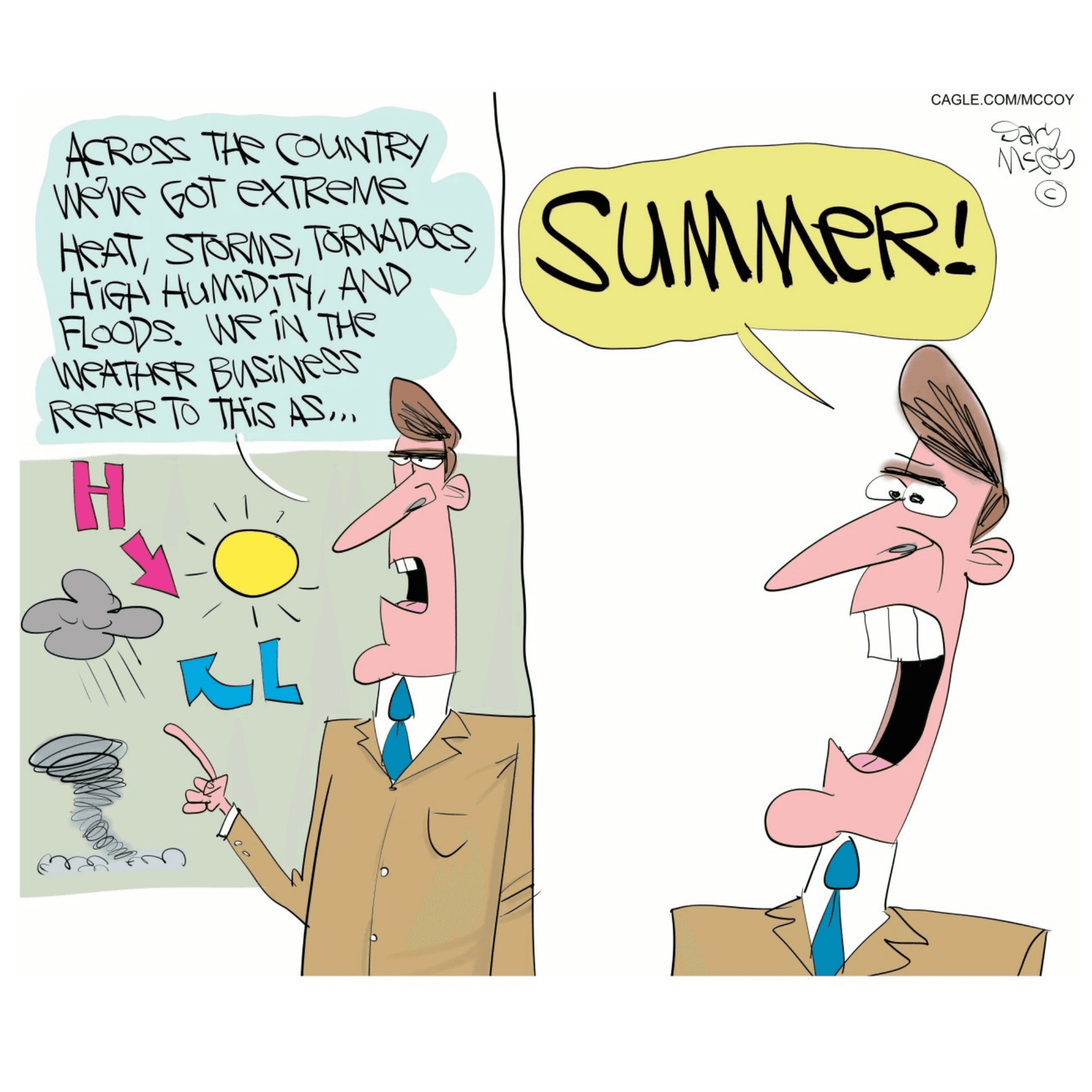
It’s summer in Minnesota. Time for barbecues, lake days, and, yes, severe thunderstorms with damaging wind and hail. Just in the past few weeks, we saw a tornado do serious damage in the Detroit Lakes region and wildfires blaze in the Boundary Waters. As the frequency and severity of weather events grow, it’s more imperative than ever for Minnesotans to protect their homes.
Most Minnesotans understand they need insurance. State law requires it for drivers, mortgage companies expect it for homeowners, and families recognize the importance of protecting what matters most. What many don’t realize is that having insurance and having enough insurance are two very different things.
Every day, independent insurance agents across Minnesota work with families surprised to learn how quickly the costs of a storm add up. Home prices in Minnesota have risen dramatically over the past decade, as much as 90% in many areas. Construction and rebuilding costs have climbed due to inflation, labor shortages, supply-chain challenges, and higher material prices.
These factors, combined with higher claim costs, have driven premium increases nationwide. Even without additional storms, premiums would still be higher today simply because the value of what’s being protected has grown so much.
Making sure you have the right coverage and understanding what is and isn’t covered are critical to ensuring you are financially protected. While Minnesotans know it’s tough to balance growing expenses and inflation, it’s also important to consider that a decision that saves a few dollars a month on premiums can create years of financial strain down the road. And what’s right for one homeowner may not be the right coverage for another.
Independent insurance agents see these situations every day. Unlike online quote tools or one-size-fits-all approaches, they actually sit down with people in their communities and share their expertise in real conversations about risks, coverage options, and what adequate protection truly looks like.
Minnesotans understandably want affordable coverage that delivers when they need it. Independent insurance agents are the first (and best) call to make when a homeowner receives a premium notice, experiences an event, or has questions about what their policy actually covers. They collaborate with multiple insurance companies, so when one adjusts rates or guidelines, they can help clients explore options and find the best fit tailored to their needs.
This uniquely positions independent agents to bridge gaps between families and insurance companies. They explain why the market has changed, help people understand their coverage before a loss occurs, and guide them through claims when needed.
The good news is that Minnesota remains one of the stronger and more competitive insurance markets in the country. Many are now seeing signs of a market stabilizing and opening up after several years of multibillion-dollar losses driven by extreme weather and rising costs. This shift reflects carriers taking steps to ensure long- term sustainability and continued reliable service to Minnesota families. Independent agents have long encouraged consumers to consider all their coverage options to ensure the families, neighbors, and friends around them get the protection they need.
Discussions around the rising cost of homeowner’s insurance — including in Sen. Tina Smith’s recent report on the home-insurance landscape — highlight real challenges around affordability and extreme weather. These deserve thoughtful responses. But rather than expanding federal involvement, Minnesota can build on what already works: a competitive private market that encourages consumer choice and innovation.
Policymakers have opportunities ahead. Instead of increasing government regulation, a more effective approach is available that will not add strain to an already improving market. Investing in resilient building practices, roof-hardening programs, updated construction standards, responsible land use, and mitigation efforts can reduce future losses and help moderate costs over time.
Curtailing predatory, storm-chasing contractors who aim to take advantage of homeowners is also critical. Helping families proactively strengthen their properties and make informed decisions are among the most effective ways to improve affordability in the long term.
Minnesota’s independent agents stand ready to partner with policymakers and consumers on solutions. By preserving competition and educating families about the importance of having the right coverage, we can help people make informed decisions today that protect their families and assets tomorrow.